
Poker Combos Explained: Understanding Poker Combinations & Hands
Poker is built on skill and a clear grasp of how cards can combine. Understanding these combinations helps with reading the action, weighing up possibilities, and making more informed choices.
This blog post breaks down the basics of poker combinations, how hands are ranked, how many possible hands exist, and the simple maths behind counting combos. You will also find common examples from Texas Hold’em and the shorthand used to discuss them.
Read on to learn more.
What Are Poker Combos?
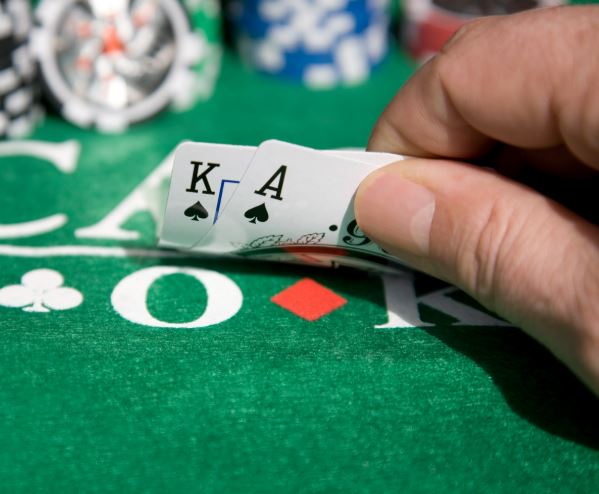
A poker combo, short for combination, is a specific way two or more cards can be grouped together. In Texas Hold’em, players often use combos to count the different ways a starting hand, or a made hand, could exist given the cards in play.
Take a pair of aces as a simple example. There are four aces in the deck, one of each suit, and each unique pairing of two different suits is a separate combo, such as ace of spades with ace of hearts, or ace of diamonds with ace of clubs. The same logic applies to any rank.
Thinking in combos helps with estimating how often certain holdings are possible, which is especially useful when considering what opponents might have. With that core idea in place, it makes sense to look at how hands are ranked.
Poker Hand Rankings
Poker hand rankings determine which hands are stronger than others. In Texas Hold’em, the aim is to make a higher-ranking five-card hand than the rest of the table. Here are the main hand types, from strongest to weakest.
Royal Flush
A Royal Flush is the highest possible hand. It is made up of the ace, king, queen, jack, and ten, all of the same suit. Nothing beats it in standard poker.
Straight Flush
A Straight Flush has five consecutive cards in order, all of the same suit. For example, 9, 8, 7, 6, 5 of hearts. It ranks just below the Royal Flush.
Four Of A Kind
This hand contains four cards of the same rank, such as four kings, plus one other card. The remaining card, called the kicker, may decide the winner if more than one player makes Four of a Kind.
Full House
A Full House is three cards of one rank and two cards of another rank, for example, three tens and two jacks. It beats a flush and a straight.
Flush
A Flush has five cards of the same suit, not in sequence. For instance, five hearts that are not in numerical order. If more than one player has a flush, the highest card in the flush wins, then the next highest, and so on.
Straight
A Straight consists of any five consecutive cards of mixed suits, such as 5, 6, 7, 8, 9. If several players have a straight, the one with the highest top card wins.
Three Of A Kind
This hand features three cards of the same rank plus any two other cards. For example, three sevens and two unrelated cards.
Two Pair
Two Pair contains two cards of one rank, two cards of another rank, and a fifth card of any kind. For instance, two eights, two fives, and one other card. When comparing Two Pair, the higher pair is compared first, then the lower pair, then the kicker.
One Pair
One Pair means having two cards of the same rank, with three other cards not matching these. An example would be two queens and three unpaired cards. Kickers decide ties when needed.
High Card
High Card is the lowest-ranking hand. No other hand has been made, so the highest individual card is used to decide the winner.
Knowing where each hand sits is one part of the picture. The next is understanding how many distinct hands are possible in the first place.
How Many Possible Poker Hands Are There?
A standard deck contains 52 cards, which creates a large number of five-card combinations. Using combinations, the total number of unique five-card hands is 2,598,960. That figure comes from choosing any five cards from 52 without regard to order.
Within that total, some hands are rare while others are very common. For example, there are only 4 possible Royal Flushes, 36 non-royal Straight Flushes, and 624 ways to make Four of a Kind. At the other end of the scale, there are 1,098,240 distinct One Pair hands and 1,302,540 High Card hands.
Once the overall scale is clear, it becomes easier to zoom in on the precise combinations that matter in a given situation.
How Do You Calculate Poker Combos?
Calculating poker combos means counting the different suit arrangements that can produce a particular holding, then adjusting for any cards already known.
Pocket pairs are a good starting point. Since there are four suits for each rank, the number of ways to hold a pocket pair, such as two kings, is the number of ways to choose 2 suits from 4. That is 6 distinct combinations.
For two different ranks, such as ace and king, each rank can come in any of the four suits. That creates 4 times 4, so 16 combinations. Of those 16, four will be suited combinations, one for each suit, and the remaining 12 are offsuit.
In real hands, some cards may already be visible in your own hand or on the board. Those known cards reduce the number of live combinations available to everyone, an idea often referred to as blockers. More on that comes up again when we look at common mistakes.
Common Combo Counts For Texas Hold’em
Certain counts come up so often in Texas Hold’em that it helps to know them by heart. Any pocket pair has 6 possible combos. Two different unpaired cards have 16 possible combos in total, which split into 4 suited combinations and 12 offsuit.
This quick framework lets players estimate how many versions of a hand might exist. For example, if discussing ace king, there are 4 suited versions and 12 offsuit versions. If a known card removes one suit of ace from the deck, that instantly cuts down the number of AK combinations still possible.
To discuss these ideas clearly, players usually switch to a shared shorthand.
Combo Notation And Terminology
Poker uses shorthand to describe hands quickly and clearly. Learning the common notation makes hand charts and discussions much easier to follow.
Notation examples:
“AK” means an ace and a king.
“99” means a pair of nines.
“AJs” refers to an ace and jack of the same suit, with the “s” meaning suited.
“KQo” means a king and queen of different suits, with the “o” meaning offsuit.
Key terms:
Combo is one specific suit pairing of two cards, such as ace of spades with king of hearts.
Blockers are known cards that reduce how many combinations are still available for others.
Range is the collection of all hands a player could hold in a particular spot.
You might also see shorthand like “AX” for any ace with another card, or “suited connectors” for two cards in sequence of the same suit, such as 7 and 8 of hearts.
Common Mistakes When Counting Combos
Counting combos is straightforward once the basics are clear, but there are a few pitfalls to watch for.
A frequent error is ignoring blockers. If a player holds a card, or it appears on the board, that card can no longer be part of an opponent’s combinations. Forgetting this usually leads to overcounting.
Another slip is mixing up suited and offsuit counts. Suited combinations number 4, offsuit number 12, and the total for two different ranks is 16. Treating all two-card hands as if they have the same count will skew the numbers.
It is also easy to misapply the maths, such as treating pocket pairs as if they had 16 combinations, when in fact they have 6. Keeping these categories separate avoids most confusion.
With the common snags out of the way, it helps to see the counts in action.
Examples: Calculating Combos Step By Step
Examples bring the numbers to life by showing how the counts work in practice.
Example 1: Pocket Pair, such as two kings
There are four kings in the deck, one in each suit. The number of unique ways to hold two different suits of the same rank is the number of ways to choose 2 from 4, which is 6. So there are 6 combinations of pocket kings.
Example 2: Two different ranks, such as ace and queen
Each rank has four suits, so there are 4 times 4, a total of 16 possible combinations of ace and queen. Of these, 4 are suited and 12 are offsuit.
Example 3: Suited version, such as ace queen of the same suit
Suited combinations depend on the number of suits in the deck. There are four suits, so there are 4 distinct suited AQ combinations, one for each suit.
If you choose to play poker, set personal limits that suit your circumstances, take regular breaks, and only play with money you can afford to lose. If gambling starts to affect your well-being or your finances, seek support early. Independent organisations such as GamCare and GambleAware offer free, confidential help for anyone who needs it.
**The information provided in this blog is intended for educational purposes and should not be construed as betting advice or a guarantee of success. Always gamble responsibly.