
Scratch Card Checker App – Scan To Check Winnings Online?
Scratch cards are a popular form of instant-win game. A coated surface—often silver or metallic—is removed to reveal symbols, numbers, or words underneath. If the revealed information matches the rules printed on the card, a prize may be indicated.
Working out whether a scratch card shows a prize is not always straightforward. Digital tools and mobile technology are often mentioned in this context, and you may hear about apps, online checkers, or in-store scanning. At first glance, these options may appear similar, even though they operate in different ways.
This guide looks at the available methods for checking scratch cards. Some ideas are introduced briefly and then explained in more detail later, so the full picture builds section by section. If you choose to play scratch cards, the aim is to help you understand how checking works and how to approach play responsibly.
What Is a Scratch Card Checker App?
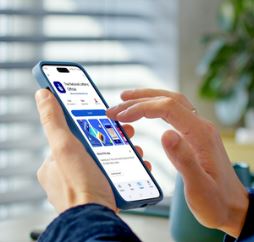
A scratch card checker app is usually described as a mobile application that helps players find out whether a ticket may show a prize. In the UK, the app most often mentioned is the official National Lottery app, operated by Allwyn, the current licence holder.
At a basic level, this app is often thought of as a scanner. That description needs clarification. The National Lottery app does not scan physical scratch cards. Its scanning feature applies to draw-based National Lottery tickets printed on pink paper. These include Lotto, EuroMillions, EuroMillions HotPicks, Set For Life, and Thunderball.
Later sections explain this distinction in more detail, though the key point here is that the app checks certain tickets by reading a barcode and comparing it with official draw results. It does not read the panels on a physical scratch card.
The app also provides access to online Instant Win Games. These are digital games that resemble scratch cards but exist only online. If you choose to play these, the outcome appears on screen immediately after play. They are clearly labelled as online games and are separate from scratch cards bought in shops.
Physical scratch cards, whether issued by the National Lottery or another organisation, are not verified through this app. Those cards rely on other checking methods, explained below.
Is There an App To Check Scratch Tickets?
There is no single UK app that scans and verifies every scratch card. This relates to how scratch cards are created and distributed, which becomes clearer once you understand how outcomes are set.
Scratch cards are produced by different organisations, each using its own systems. National Lottery scratch cards form one group, while others may be used for promotions, charity fundraising, or betting shop games. Because these issuers operate independently, their checking methods differ.
Each scratch card has a pre-determined outcome. The result—prize or no prize—is fixed during production, before the card reaches a shop. Cards are printed in large batches, and winning cards are spread across the country at random. This approach helps prevent prizes from being concentrated in a single location.
For National Lottery scratch cards, only two official checking routes exist, both expanded on later:
- Fully scratching the card and comparing the revealed information with the printed rules and prize table.
- Asking an authorised National Lottery retailer to scan the card using an in-store terminal.
Scratch cards from other issuers follow their own processes. Some require details to be entered on an official website, while others ask for the card to be returned by post or verified through a helpline. These instructions should always appear on the card itself.
Because there is no shared database covering all issuers, a universal scratch card checking app is not available in the UK.
Scan Scratch Card To See If You’ve Won: Is It Possible?
You may hear about scanning tickets with a phone, which may cause confusion. Scanning is possible for certain National Lottery draw tickets, though not for physical scratch cards.
The National Lottery app uses a phone camera to scan the barcode on draw-based tickets printed on pink paper. After scanning, the app compares the ticket with official draw results and shows whether a prize is indicated. This reduces the need for manual number-checking.
Physical scratch cards do not work in this way. Their outcomes are revealed only by removing the coating and reading the symbols or numbers shown. Formal confirmation requires a retailer’s terminal scan. The app does not read or verify scratch card barcodes.
Scratch cards from other providers also fall outside the app’s system. Each issuer relies on authorised retailers or official claim channels to confirm results.
As part of responsible gambling measures, National Lottery retailers have a purchase limit for scratch cards. No more than £100 worth may be sold in a single retail transaction. This policy aims to discourage excessive or impulsive spending if you choose to play.
How Do Shops Check Scratch Cards?
Shops selling scratch cards use terminals supplied by the issuer. For National Lottery scratch cards, the retailer scans the barcode on the back of the card using this terminal. The system checks the card against the central National Lottery database and confirms the outcome.
This automated check helps reduce errors and ensures prizes are validated accurately. If the card shows a prize, the terminal displays the amount and the next steps for claiming.
Prize payments vary by value. Smaller prizes are usually paid out in store, either in cash or by debit card, depending on the retailer. Higher amounts may require a claim form, and very large prizes must be claimed directly through the National Lottery by post or via an official claim centre.
Scratch cards from other issuers are not checked on National Lottery terminals. In those cases, the retailer is unable to assist, and the instructions printed on the card should be followed. This may involve contacting the issuer, posting the card, or using an official website or helpline.
How To Check Your Scratch Card Online
Physical National Lottery scratch cards are not checked online. The National Lottery website does not provide a tool for entering a scratch card code to see a result.
Online Instant Win Games are different. If you choose to play these through a National Lottery account, the outcome appears on screen immediately after play. No physical ticket is involved.
For scratch cards issued by other organisations, online options vary. Some issuers provide an official online form for entering a card number or validation code. Others do not offer online checking. The correct method should be stated clearly on the card.
Care is advised while searching for online checkers. Only official issuer websites should be used. Unofficial or third-party sites may be unreliable, and sharing personal details on such sites might expose you to scams or data misuse.
Do More Expensive Scratch Cards Have Better Odds?
Not necessarily. Higher-priced scratch cards often promote larger top prizes, though this does not mean better chances overall. Each game has fixed odds, determined during production and printed on the card.
A £5 card might list odds such as “1 in 3.72”. This figure applies across all cards printed for that game and includes every prize tier, from the smallest amount to the top prize. It does not mean a prize will appear after buying a certain number of cards.
Because outcomes are fixed before sale, there is no way to influence the result. Buying higher-priced cards or purchasing several at once does not alter the odds. Scratch cards remain games of chance, and no system guarantees a prize.
If you choose to play scratch cards, responsible play matters:
- Decide on a spending limit before buying.
- View scratch cards as entertainment rather than a source of income.
- Do not chase losses by purchasing more cards.
- Take regular breaks and monitor time and spending.
If gambling starts to affect your finances or well-being, free and confidential support is available from GambleAware.org or by calling 0808 8020 133.
In the UK, scratch cards are restricted to people aged 18 or over, and retailers must carry out age checks.
*All values (Bet Levels, Maximum Wins etc.) mentioned in relation to these games are subject to change at any time. Game features mentioned may not be available in some jurisdictions.
**The information provided in this blog is intended for educational purposes and should not be construed as betting advice or a guarantee of success. Always gamble responsibly.