
Which Lottery Has The Best Odds?
Choosing a lottery to play can involve considering several factors, but one of the most measurable is the odds of winning.
This article explores how the chances of winning differ across UK lotteries, looking at both large jackpots and smaller prizes.
Understanding these odds may help you make more informed decisions about which game to enter and how the prize structure works. The focus here is purely on factual information about probabilities, ticket prices, and game formats, without implying any guarantees or suggesting that playing will lead to winnings.
What Is The Lottery?
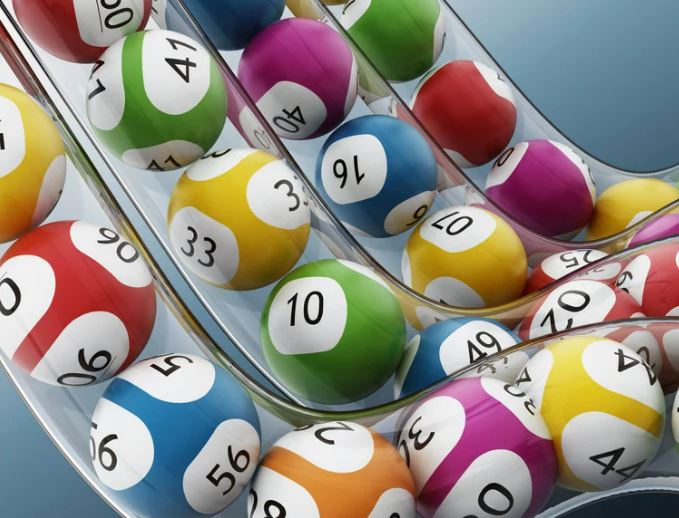
A lottery is a form of gambling in which players buy tickets for a chance to win prizes, usually cash, through a random draw. The outcome is determined purely by chance, and the prize amounts vary depending on the game and the number of winners.
In the UK, the National Lottery runs several games, including:
- Lotto: Draws take place twice a week, with cash prizes for matching three to six numbers.
- EuroMillions: A transnational lottery offering large jackpots requiring players to match five main numbers plus two Lucky Stars.
- Thunderball: Offers more frequent draws with smaller possible prizes, where players select five main numbers and a Thunderball.
- Set For Life: Provides a top potential prize in the form of monthly payments over a number of years, rather than a single lump sum.
Tickets are purchased at a set price depending on the game, and players choose numbers from a defined range.
Which UK Lottery Is Best To Play?
There is no single “best” lottery to play because what might be suitable depends on individual preferences. Different games offer different prize types, odds, and frequency of draws.
- Thunderball may suit those seeking more frequent chances to win smaller possible prizes.
- EuroMillions is aimed at players interested in larger, infrequent jackpots shared across multiple countries.
- Lotto offers a balance of moderate jackpots and regular draws twice weekly.
- Set For Life is distinctive for providing fixed monthly payments instead of a lump sum.
The choice of lottery can depend on personal interest, preferred prize structure, and ticket budget.
UK Lottery Prize Breakdowns
Each UK lottery offers a specific prize structure, with any potential winnings determined by the number of matches.
Lotto (National Lottery):
- 6 main numbers – Jackpot (starts at £2 million)
- 5 main numbers + Bonus Ball – £1,000,000
- 5 main numbers – £1,750
- 4 main numbers – £140
- 3 main numbers – £30
- 2 main numbers – Free Lucky Dip
EuroMillions:
Actual payouts vary per draw depending on ticket sales, the number of winners, and currency exchange rates.
- 5 main numbers + 2 Lucky Stars – Jackpot*
- 5 main numbers + 1 Lucky Star – £130,554.30
- 5 main numbers – £13,561.20
- 4 main numbers + 2 Lucky Stars – £844.70
- 4 main numbers + 1 Lucky Star – £77.80
- 3 main numbers + 2 Lucky Stars – £37.30
- 4 main numbers – £25.60
- 2 main numbers + 2 Lucky Stars – £9.10
- 3 main numbers + 1 Lucky Star – £7.30
- 3 main numbers – £6.00
- 1 main number + 2 Lucky Stars – £4.30
- 2 main numbers + 1 Lucky Star – £3.60
- 2 main numbers – £2.50
Additionally, the UK Millionaire Maker draws guarantee at least one £1,000,000 prize per EuroMillions draw for UK players.
*The jackpot is variable and depends on ticket sales and rollover amounts. Prizes in lower tiers can also be adjusted if there are more winners than expected.
Thunderball:
- 5 numbers + Thunderball – £500,000
- 5 numbers – £5,000
- 4 numbers + Thunderball – £250
- 4 numbers – £100
- 3 numbers + Thunderball – £20
- 3 numbers – £10
- 2 numbers + Thunderball – £10
- 1 number + Thunderball – £5
- Thunderball only – £3
Set For Life:
- 5 main numbers + Life Ball – £10,000 every month for 30 years
- 5 main numbers – £10,000 every month for 1 year
- 4 main numbers + Life Ball – £250
- 4 main numbers – £50
- 3 main numbers + Life Ball – £30
- 3 main numbers – £20
- 2 main numbers + Life Ball – £10
- 2 main numbers – £5
These structures highlight how potential prizes and odds differ across UK lottery games, helping players understand what each game offers.
Which UK Lottery Has The Best Odds?
Odds differ significantly between lotteries, particularly for the top potential prize:
- Lotto: Jackpot odds are approximately 1 in 45,057,474. Matching three numbers has odds of about 1 in 97.
- EuroMillions: Jackpot odds are roughly 1 in 139,838,160. Matching just two main numbers has odds of around 1 in 22.
- Thunderball: Top prize odds are about 1 in 8,060,598, while matching the Thunderball alone gives odds of 1 in 29.
- Set For Life: Top prize odds are approximately 1 in 15,339,390, with lower-tier prizes like matching three numbers having odds of 1 in 198.
The odds illustrate that larger prizes are less likely, while smaller prizes have higher probabilities, depending on the game. However, as all lotteries are random games of chance, any winnings can never be guaranteed.
Is It Worth Playing The Lottery?
Deciding whether to play the lottery is an individual choice. Lotteries are entirely based on chance, and there is no guarantee of winning any prize. For many players, the appeal lies in the experience of participating or the possibility of winning, rather than expecting a financial return.
It can be useful to consider your budget, how frequently you want to take part, and the cost of tickets. Each lottery has its own draw schedule, ticket price, and possible prize structure, so being aware of these factors can help you make more informed decisions.
Always remember to keep lottery play balanced and manageable. Only spend what you can comfortably afford and approach it as a form of entertainment, rather than a source of income.
*All values (Bet Levels, Maximum Wins, etc.) mentioned in relation to these games are subject to change at any time. Game features mentioned may not be available in some jurisdictions.
**The information provided in this blog is intended for educational purposes and should not be construed as betting advice or a guarantee of success. Always gamble responsibly.