
Why Do Poker Players Wear Sunglasses, Visors or Headphones?
Walk into a poker room or tune into a televised tournament, and you’ll notice sunglasses, visors, and headphones are common at the tables. This distinctive look is not only a fashion choice, as many players choose these items for specific, practical reasons.
You might wonder what’s really going on behind those dark lenses, under the brims, and inside those headphones. Are these accessories simply stylish, or do they serve a purpose that may help players manage their game?
This blog explores the most common reasons players use them, how they can influence focus and decision making, what the usual rules say, and whether they actually make a difference. It also looks at how these choices may affect opponents, the typical mistakes people make, and sensible ways to use such accessories during play.
Read on to learn more.
What Do Sunglasses Hide At The Poker Table?
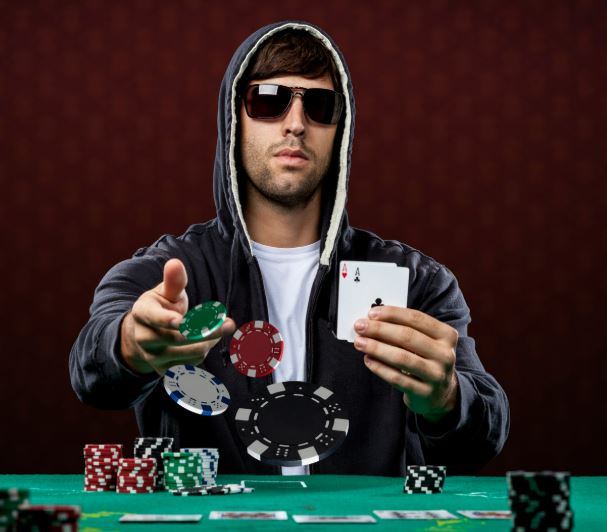
Sunglasses are often worn to cover the eyes, which can reveal information about a player’s thoughts or cards, sometimes called tells. Subtle cues may include changes in pupil size, quick glances at chips, or avoiding eye contact during a hand.
By wearing sunglasses, players make it harder for others to use eye-based reads, which removes a familiar source of information at live tables. This does not seal every leak, as experienced opponents look for other cues, but it can narrow what is available to them.
Used well, sunglasses are simply a tool that may help a player manage how much they reveal, nothing more. Eyes aside, audio cues and table chatter can matter too, which is where headphones come in.
How Do Headphones Change Player Focus And Decision Making?
Headphones are often used to block out background noise and reduce distractions. Busy cardrooms can be loud, and creating a small bubble of personal space may help some players concentrate on the action and their plan for the hand.
Listening to music or ambient sound can steady the pace of decision-making for certain individuals, which may support clearer choices. The flip side is that headphones can muffle important details, such as dealer instructions, betting announcements, or brief exchanges that sometimes hint at timing and intent.
For that reason, many players keep the volume low enough to hear the table and remove headphones during key moments. Venues may also ask for them to be taken off for announcements or specific stages of an event, so it helps to stay alert.
Do Visors Offer Different Benefits To Sunglasses?
Visors are worn to block overhead light rather than to conceal the eyes. In bright rooms, glare can strain the eyes and make it harder to track bet sizes or chip colours, so a visor’s shade can improve comfort and visibility over long sessions.
They can also help with temperature and sweat on the forehead, which keeps distractions at bay. The key difference from sunglasses is that visors do not hide eye movement or expressions, so they do not mask visual tells in the same way.
For most players, the appeal of a visor is practical comfort and clearer sightlines, rather than concealment. Of course, what you can wear always comes back to the rules in place where you play.
Are Sunglasses And Headphones Allowed In Tournaments?
Rules vary by tournament and venue. In many smaller or casual events, sunglasses and headphones are typically allowed during play. Larger or televised events often set tighter guidelines to keep the game flowing and communication clear.
Common requirements include removing headphones during announcements, when moved to a new table, or at late stages of a tournament, such as the final table. Some events restrict covering the face or ask players to remove glasses when speaking to the dealer or floor staff. House policies also differ on mirrored or very dark lenses, especially under studio lighting.
The simplest approach is to check the event rules in advance and follow instructions from staff on the day. Even when accessories are permitted, their presence can shift how people interact at the table.
Can Wearing Them Affect Opponents’ Reads Or Table Behaviour?
Accessories can affect the information exchanged between players. Sunglasses reduce access to eye-based tells, which may prompt opponents to focus on betting patterns, timing, and posture instead. Headphones can create a small social barrier, which might limit casual chat and change the tempo of the game.
Visors tend to have a lighter touch on table dynamics. They do not usually hide expressions, but they can make a player more comfortable, which in turn can influence how composed they appear.
Most players adapt quickly. Clear communication, responding when addressed, and keeping interactions polite go a long way towards maintaining a smooth, friendly game regardless of what anyone is wearing.
How To Wear Sunglasses Or Headphones Without Looking Suspicious
Wearing accessories is common at the poker table, and using them in a way that feels natural helps them blend into the background rather than become the story.
With sunglasses, neutral frames that do not reflect brightly are less distracting, and wearing them consistently is better than putting them on and off throughout a hand. For headphones, keeping the volume moderate means announcements and questions are still heard, and taking them off during rulings or important moments shows respect for the game and the people running it.
A small nod, a brief reply, or eye contact when addressed can prevent misunderstandings. Following table etiquette and being attentive to the dealer keeps play moving for everyone. A few avoidable errors crop up often, though.
Common Mistakes Players Make With Sunglasses, Visors or Headphones
Some players pick sunglasses or visors that make it harder to see their cards, community cards, or chip stacks clearly. Anything that fogs up, slips, or narrows the field of view will do more harm than good and may make a player look uncertain.
Headphones can accidentally isolate a player from the flow of the table. If they drown out seat changes, betting amounts, or instructions, the game can slow down and tensions can rise.
Fidgeting with accessories is another tell-tale issue. Constantly adjusting frames, flipping a visor, or fiddling with earcups can draw attention during big pots. Ignoring house rules is the final pitfall, as each venue or event can have specific guidelines that must be followed.
Do Sunglasses Or Headphones Actually Improve Results?
There is no clear evidence that sunglasses or headphones directly improve results. They may help some players feel more comfortable or reduce distractions, but they do not replace core skills such as understanding ranges, position, bet sizing, and the discipline to fold or value bet at the right time.
Sunglasses can limit eye-based tells, yet observant opponents will rely on other signals. Headphones may sharpen concentration, but they can also lead to missed details. Outcomes in poker come from knowledge, experience, and consistent decision making. Accessories can complement a player’s approach, but they are not a shortcut.
If you choose to play, set personal limits that fit your circumstances, take breaks, and never stake more than you can afford to lose. If gambling starts to affect your finances or well-being, seek support early. Organisations such as GamCare and GambleAware provide free, confidential help.
Used sensibly, accessories can make the table more comfortable, but the real edge comes from solid play and responsible habits.
**The information provided in this blog is intended for educational purposes and should not be construed as betting advice or a guarantee of success. Always gamble responsibly.